
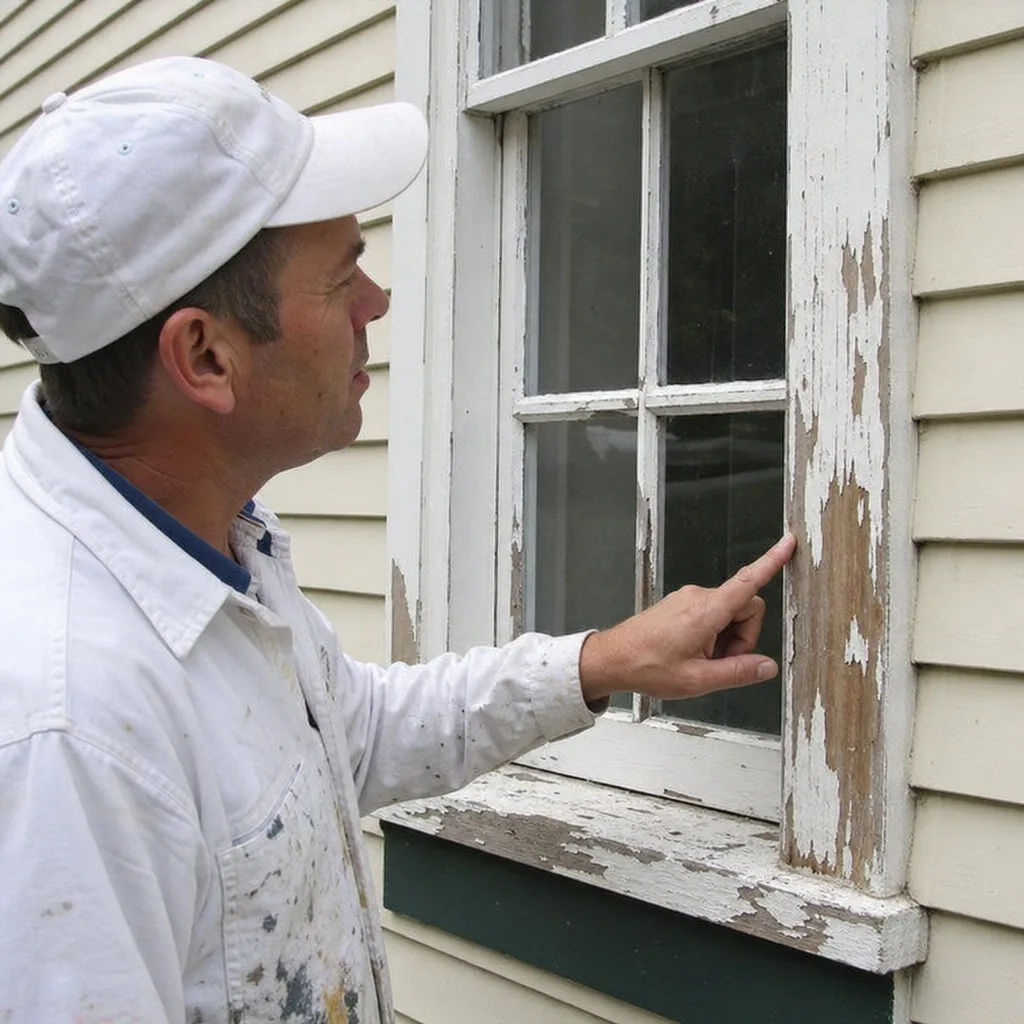
Choosing the Right Exterior Painter for You
Choosing exterior painters means finding a contractor who can assess your property, explain the preparation required and provide a clear quotation—not simply offer an attractive colour or a low price. This guide helps homeowners, landlords, property managers and commercial property owners compare exterior painting services with confidence. Lucy And Phil Limited is a professional painting and decorating contractor whose approach brings together careful preparation, appropriate product selection, organised delivery and straightforward communication.
Exterior painting is an investment in appearance, maintenance and protection. The right choice begins with understanding what your building needs, then agreeing exactly how the work will be carried out.
How do you choose the right exterior painters?
Choose exterior painters by checking their experience with comparable properties, the detail of their proposed preparation, their approach to access and their written quotation. Ask them to explain the surface condition, recommended paint system, exclusions and arrangements for unexpected repairs. Compare those answers alongside price, rather than treating the cheapest quotation or earliest start date as the deciding factor.
Start with a clear description of your project. A contractor quoting for painted render, timber windows and metal railings needs a different brief from someone refreshing a single front door. Photographs help establish the scale, but ask whether a site visit is needed before the specification and price can be confirmed.
Your initial conversation should make the project easier to understand. You should leave knowing what the contractor has assessed, what remains uncertain and what happens next. If an answer is unclear, ask for a practical explanation rather than accepting technical language at face value.
Use these five checks to organise your comparison:
Relevant work: request examples involving similar surfaces, access requirements and property types, not just attractive finished rooms.
Preparation: ask which cleaning, removal, repair and priming tasks are included, and which need separate assessment.
Specification: request the proposed products, finish and application sequence for each surface.
Organisation: establish who will attend, who will communicate with you and how changes will be agreed.
Commercial clarity: check the total price, tax treatment, payment stages, exclusions and any written warranty terms.
Professional painting should be understandable to the person paying for it. You do not need to become a coatings specialist, but you should be able to describe what you are buying and why it suits your property.
Avoid making assumptions based on a business name alone. A painting company may offer several services, while an individual decorator may specialise in particular buildings or finishes. Ask about the people who will actually carry out your work and the supervision arrangements for your project.
Define the work before searching for a contractor
A useful brief separates essential maintenance from optional changes. List the surfaces you want assessed, the problems you have noticed and the visual result you would like. This gives prospective exterior house painters a consistent starting point and reduces the chance of receiving quotations for different jobs.
Walk around the property from ground level and take photographs of each elevation. Include close-ups of visible defects where you can do so safely, plus wider views showing extensions, planting, boundaries and access routes. Do not climb to inspect high-level areas yourself; leave those assessments to appropriately equipped professionals.
Separate walls, joinery and metalwork
Avoid asking for “the whole outside” without further detail. Write down whether the work includes rendered walls, previously painted brickwork, doors, window frames, sills, fascias, soffits, railings or gates. Identify anything you want left untouched, including unpainted brick, stone details, roof coverings and neighbouring surfaces.
For house painting services, small details can matter greatly to the finished appearance. Confirm whether opening window edges, door frames, decorative mouldings and accessible returns are included. Ask the contractor to identify any areas that cannot be inspected until access equipment is installed.
If you are also appointing an interior painter, keep the internal and external specifications separate. They may share a project manager or colour scheme, but each needs its own surface preparation, products and working arrangements. A combined brief should make those differences clearer, not hide them.
Explain how the property is used
Tell the contractor whether the building is occupied, rented, vacant or open to customers. Include school-run access, delivery times, parking restrictions, pets and any entrances that must remain available. These are practical planning requirements, not details to leave until the first morning.
For a shared building, identify who can authorise the work and approve variations. A property manager may need agreement from an owner, management company or other decision-maker before additional repairs proceed. Establishing that route early gives everyone a clear process to follow.
Also state your preferred completion window and explain whether it is flexible. An approaching tenancy, sale or commercial event deserves discussion, but should not replace an assessment of the work. Ask the contractor to distinguish your desired date from the programme they can reasonably propose.
Find local decorators with relevant experience
Searching for “exterior house painters near me” or “painting companies near me” is a useful way to build an initial shortlist. Treat the results as introductions, then investigate the suitability of each business. Use location to narrow your options, not as a substitute for checking the proposed work.
MoneyHelper recommends obtaining at least three quotations, comparing them in detail and looking for reviews from previous customers. Its guidance also advises putting the chosen arrangement into a written, costed agreement. Apply that approach to a consistent exterior painting brief so that your comparison has substance. (moneyhelper.org.uk)
Read portfolios beyond the colour change
Ask for examples that resemble your project in meaningful ways. A photograph of a freshly painted detached house may tell you little about a contractor’s approach to intricate timber windows or an occupied commercial entrance. Request context: what was included, which surfaces needed attention and how access was organised.
Before-and-after photographs are useful conversation starters, but ask about the stages between them. Preparation photographs, an explanation of the specification or a relevant reference can help you ask better questions. Do not assume that an attractive image proves every aspect of workmanship or project management.
Use reviews to explore matters that affect your experience: communication, punctuality, tidiness and the handling of changes. If feedback raises a concern, ask the contractor to explain their process for that issue. Keep your assessment balanced rather than relying entirely on either one glowing comment or one complaint.
Confirm service coverage directly
A search for a “home painting company near me” or a “residential painter near me” should lead to a practical conversation about your postcode and property. Ask whether the business serves the address, undertakes your type of project and can arrange an assessment. Do this before spending time discussing detailed colours or dates.
For Lucy And Phil Limited enquiries, focus on London, Berkshire, Buckinghamshire and the Thames Valley, and confirm coverage for your address. Searching for a painter and decorator in Sunderland or a house painter in Birmingham should prompt the same location checks. Those geographical terms do not establish that Lucy And Phil Limited has offices or offers services there.
Whether you search for “local decorators near me”, “outside painters near me” or local decorating companies, the next step is the same: verify availability and relevant capability. A nearby result is a starting point; a clear response to your actual brief is more useful evidence.
Preparation deserves as much attention as the finish
Ask prospective professional house painters to describe preparation surface by surface. Manufacturer guidance places cleaning, removal of loose material, repairs and suitable priming before the finish coat. It also highlights crumbling masonry, rotten woodwork and access obstacles as matters to assess before painting begins. (dulux.co.uk)
Your role is not to prescribe every technical step. Instead, ask the contractor to explain which tasks your property needs and include them in the specification. “Prepare as necessary” deserves clarification when you are trying to understand the price and expected result.

Understand the defect before agreeing the treatment
Point out recurring peeling, staining, cracking or areas that seem persistently damp. Ask whether these need investigation or repair before decoration and who is responsible for that work. Record any recommendation to involve another trade rather than allowing the issue to disappear into a general painting allowance.
For example, rust staining may require more than covering the discolouration. Dulux Trade guidance distinguishes local rust staining from corrosion involving reinforcing metal, where addressing the source is necessary before repair and repainting. The useful question is not just which paint will hide the mark, but what investigation or treatment the contractor proposes. (duluxtradepaintexpert.co.uk)
Make responsibility explicit where repairs fall outside the decorating contract. If another contractor must attend first, agree the sequence and who will confirm that the surface is ready. Ask how this could affect the programme before accepting a firm start date.
Request a preparation schedule
A preparation schedule need not be lengthy, but it should identify the work you are paying for. Ask the contractor to distinguish between tasks included in the price and those dependent on further inspection. Where an allowance is used, request an explanation of its limits.
Your discussion should cover:
Existing coatings: which areas need removal of loose paint and which sound coatings will remain.
Cleaning: how dirt, contamination or biological growth will be assessed and treated where required.
Repairs: the locations, materials and extent of filling or other remedial work included.
Priming: which exposed or problem areas require a specified primer or other preparation product.
Readiness checks: how the contractor will decide that repaired or cleaned surfaces are ready for coating.
Keep the product manufacturer’s instructions central to the final method. Do not ask a painter to apply the same primer everywhere simply because another quotation mentions it. Request the reason for the proposed treatment and its compatibility with your surfaces.
Raise concerns about older coatings early
Tell the contractor what you know about the building’s age and decorating history. HSE warns that removing old coatings, particularly in properties built before the 1980s, can involve lead exposure risks. Ask how potentially hazardous coatings will be assessed and how the proposed preparation method will control dust and debris; do not test the surface by dry sanding it yourself. (hse.gov.uk)
Match the paint system to the property
Ask your exterior painting contractor to specify products for the actual materials involved, rather than offering one paint for every surface. Compare the proposed system, including preparation products and finish coats, not just the name on the final tin. Keep a written record so that substitutions can be discussed before they are made.
A colour decision and a technical specification are related, but they are not interchangeable. Explain the appearance you want, then ask the contractor to identify suitable options. If a preferred finish is unsuitable, request an alternative and a clear explanation.
Masonry and traditional construction
Do not assume every brick or rendered wall should receive the same coating. SPAB advises considering compatibility with existing finishes and the background, including breathability on solid walls. It also cautions that painting previously bare surfaces can harm the character of an old building and should usually be avoided. (spab.org.uk)
For an older property, ask what is known about the wall construction and previous coatings before agreeing a change. Request specialist advice where the contractor cannot confidently establish an appropriate specification. This is particularly important if the brief involves painting previously unpainted masonry rather than maintaining an existing finish.
If your property is listed, check the proposed work with the relevant conservation or planning team before proceeding. Historic England notes that external redecoration may need permission where it changes a listed building’s character. Do not treat a decorator’s availability as confirmation that the proposed alteration is authorised. (historicengland.org.uk)
Timber, metal and specialist surfaces
For timber joinery, ask which primer, undercoat and topcoat form the proposed system. Manufacturer guidance sets out different stages for bare wood and identifies compatible exterior products. Request the specification for your windows or doors rather than assuming that an indoor woodwork finish is suitable outside. (dulux.co.uk)
For metalwork, identify the material and condition before accepting a product recommendation. Dulux Trade, for example, specifies its Metalshield Zinc Phosphate Primer for iron and steel, while other primers address different substrates. Ask the contractor to explain the selected system for your railings, gates or other components. (duluxtradepaintexpert.co.uk)
Make colour decisions before ordering
Ask to review colour samples in the locations where they will be used, and agree the chosen shade and sheen in writing. Include the product range as well as the colour name or reference. If doors, frames and walls use different products, record each combination separately.
Use the existing roof, brickwork, paving and neighbouring finishes as your starting point. Decide which details should stand out and which should sit quietly in the overall scheme. A restrained, well-resolved palette may suit your brief better than a collection of individual colours chosen without reference to one another.
How much do exterior painting services cost?
Exterior painting services should be priced against the property’s scope, condition, access requirements and agreed specification. There is no reliable project figure in a search phrase such as “house painting near me”: ask for a written quotation based on your building. Compare the same work across contractors before deciding whether a price represents value.
Rather than requesting a single broad figure, ask each painting contractor to explain the main allowances in their price. You do not necessarily need a breakdown of every brush or consumable. You do need enough detail to understand which work, equipment, materials and responsibilities are included.
Compare the work behind the number
Use the following as comparison headings when reviewing quotations. Ask for clarification wherever a category is absent or described too broadly. An unanswered question is a reason to investigate, not automatic proof that the contractor has excluded the work.
Comparison point Detail to request Surfaces and elevations Exactly which walls, joinery and other items are included Condition and repairs Included preparation, repair allowances and unresolved defects Access Proposed equipment, installation arrangements and associated charges Paint specification Named products, colours, finishes and application sequence Site arrangements Protection, storage, housekeeping and waste removal Programme Proposed sequence, working hours and weather-related arrangements Price and payments Total, tax treatment, payment stages and variation process
Consider two hypothetical quotations for the same house. One describes only painting the walls; the other also identifies joinery, access equipment and specified repairs. Before comparing their totals, ask both contractors to price the same scope or clearly explain the differences.
The aim is not to reward the longest document. It is to identify whether you understand the offer and can make an informed decision. A concise, specific quotation is more useful than pages of promotional language with an uncertain scope.
Keep affordability separate from shortcuts
Searching for “cheap house painters near me” may reflect a sensible need to control spending. Turn that into a request for clearly priced options rather than an invitation to leave the work undefined. Ask the contractor to distinguish essential preparation from optional decorative changes.
If the complete project exceeds your budget, discuss whether it can be divided into sensible phases. You might request separate prices for the front elevation, external joinery or other clearly defined areas. Ask the contractor to explain any implications before deciding which work to defer.
Avoid setting an arbitrary budget and asking the painter to make the specification fit without discussion. Be open about your priorities and request alternatives in writing. That keeps the conversation focused on an achievable scope rather than an apparently attractive total with unanswered questions.
Read the quotation as a project agreement
A quotation should help both parties understand the same project. Read it alongside your original brief and mark anything that is missing, ambiguous or different from the conversation. Resolve those points before agreeing to proceed, rather than relying on what you remember discussing during the visit.
Citizens Advice distinguishes a quotation—an agreed price for work—from an estimate, which is an approximate assessment. It also explains that agreed additional work can affect the price. Check which type of document you have and how any proposed change will be described, priced and authorised. (citizensadvice.org.uk)
Look for clear boundaries
Ask the contractor to identify exclusions as carefully as inclusions. Possible discussion points include structural repairs, replacement joinery, gutter repairs, specialist investigations and work to neighbouring property. Do not assume these are included simply because they are near a surface being painted.
Confirm the arrangements for materials, deliveries and access equipment. Establish who will order them, where they can be stored and what happens if the specification changes. If you intend to supply paint yourself, discuss that before the quotation is finalised rather than presenting materials on the first day.
Request a written process for variations. It should identify the issue, proposed additional work, price implications and any programme change before you authorise it. Agree who has authority to approve changes if you will not be present throughout the project.
Clarify payment and aftercare terms
Read the payment schedule before accepting the quotation. Ask what each stage relates to and when invoices become due. If a deposit is requested, ask what it covers and retain the written agreement and payment records.
Any warranty should be available in writing, with its duration, coverage, exclusions and claims process explained. Do not assume a paint manufacturer’s product statement is the same as a contractor’s workmanship commitment. Ask which terms apply to your project and who you should contact if a concern arises.
Finish by checking the handover arrangements. Request a record of colours and products, relevant maintenance advice and a process for reporting outstanding items. These details give you something practical to refer to after the decorating team has left.
Plan safe access and a workable site
Access deserves a direct conversation, particularly around upper floors, conservatories, narrow passages and busy entrances. Ask how the contractor intends to reach each area and what space the equipment needs. Include photographs of awkward locations when making your initial enquiry, but leave equipment selection to a competent assessment.
HSE states that work at height must be properly planned and organised, with competent people and appropriate equipment. Its guidance does not ban ladders, but limits their suitability according to the risk and circumstances. Ask why the proposed access method suits your project rather than insisting on, or rejecting, one type of equipment without assessment. (hse.gov.uk)
Discuss protection and daily housekeeping
Walk through the areas beneath and beside the work. Identify vehicles, planting, furniture, glazing, pathways and neighbouring boundaries that need consideration. Ask what protection is proposed and what you should move before the team arrives.
Agree a daily routine for occupied premises:
Identify the entrance and route occupants should use while work is underway.
Confirm arrangements for equipment, materials and waste outside working hours.
Explain when children, pets, visitors or delivery drivers may be present.
Agree who will communicate temporary restrictions or changes.
Establish whom to contact if an access or housekeeping concern arises.
Request evidence of insurance relevant to the proposed work and ask who will manage any subcontracted activities. Keep the discussion specific to your site and responsibilities. For commercial or managed premises, involve the person responsible for building operations before the working arrangements are finalised.
Do not leave neighbouring access to assumption. If the proposed method requires entry onto adjoining land or affects a shared route, clarify the arrangements before booking. Ask the contractor to flag any dependencies that could prevent the planned sequence from going ahead.
When should exterior painting be scheduled?
Schedule exterior painting around suitable conditions for the specified products and surfaces, not simply a preferred month. Ask the contractor to allow for preparation, drying, application and weather interruptions. Dulux Trade guidance highlights both ambient and surface conditions, and explains that cold or damp weather can extend drying times. (duluxtradepaintexpert.co.uk)
A useful programme explains sequence as well as dates. Ask which areas will be prepared first, when repairs will be assessed and how the team will move between elevations or components. Request an explanation of what could change the order and how you will be informed.
Separate working time from elapsed time
Ask the contractor to distinguish time actively spent on site from periods allowed between operations. Do not assume every gap means the project has stalled. Equally, request an update if the team will not attend when you expected them.
Agree how weather-related decisions will be communicated. Establish who will contact you, when an update is likely and how the next attendance will be confirmed. For a rented or commercial property, include the person responsible for notifying occupants or customers.
Keep other trades in the discussion. If windows, roofing, guttering or external fixtures are being repaired or replaced, ask the contractors to agree a sensible sequence. Record which tasks must be completed before painting starts and who will confirm readiness.
Prepare for the first day
Before the agreed start, confirm access, parking, working hours and the main contact details. Move agreed items, make any necessary arrangements for pets and share the plan with occupants. Check that the selected colours and outstanding quotation decisions have been approved.
Tell the contractor promptly if anything has changed since the assessment. New building work, altered access or a newly noticed defect deserves discussion before the team arrives. A short pre-start review gives both parties an opportunity to resolve practical problems without rushing decisions on site.
Match the contractor to the people using the building
Homeowners, landlords and commercial clients may want similar visual standards, but their project arrangements can differ. Explain who uses the premises, who makes decisions and what disruption needs managing. Ask the contractor to reflect those requirements in the quotation and programme rather than treating them as informal requests.
The same principle applies when comparing a home painter with a larger painting company. Focus on the proposed team and delivery plan for your work. Neither a small team nor a larger business should be selected solely on size.
Homeowners and residential painting
For home painting, explain which parts of daily life need protecting: front-door access, home-working arrangements, garden use or school collection times. Identify the issues that matter most, then ask what accommodation is practical. Avoid assuming the team can work around every activity without an agreed plan.
Searches for “residential painting near me” or home painting services should lead to a discussion about your particular building. Ask whether the contractor’s examples include your surface types and access challenges. Request separate options if your priorities include both essential maintenance and a wider colour change.
Landlords and property managers
For rented property, establish the communication route between the contractor, landlord, agent and occupants. Agree who arranges access and who receives progress updates. Do not make the tenant responsible for approving additional work unless that authority has been explicitly agreed.
Property managers should identify approval requirements before requesting a start date. Ask for quotations organised by building, elevation or work package if that helps decision-making. Request progress photographs where useful, particularly if the approving owner cannot attend the property.
Commercial property owners
Searching for “commercial painting contractors near me” calls for more than a domestic quotation with a different address. Explain opening hours, deliveries, customer routes and any operational restrictions. Ask how the contractor proposes to separate work areas from the people using the building.
For larger painting contracting projects, request a clear reporting structure and an agreed process for approvals. Identify who can authorise changes and who needs advance notice of disruptive stages. Ask for relevant commercial examples rather than assuming residential experience answers every operational question.
Discuss your project with Lucy And Phil Limited
Lucy And Phil Limited’s exterior painting approach centres on professional project communication, careful preparation and attention to surface condition. Appropriate paint and finish selection, organised delivery and clear, tailored quotations form part of that approach. Its residential and commercial painting expertise provides a starting point for discussing homes, rented properties, managed buildings and business premises.
Make your enquiry specific so the discussion can focus on the work you need. Provide the property location, building type, surfaces to be assessed and any known concerns. Include photographs and explain whether you need an initial assessment, a defined quotation or help clarifying the scope.
Ask the team to discuss:
The preparation and repairs proposed for each relevant surface.
Recommended products, finishes and colour decisions still required.
Access arrangements and how the occupied property will be managed.
The proposed programme, communication arrangements and weather allowances.
Inclusions, exclusions, payment stages and the approval process for changes.
For properties in London, Berkshire, Buckinghamshire and the Thames Valley, confirm postcode coverage and project suitability directly. State any preferred dates, but also explain your flexibility. A qualified enquiry gives the contractor enough context to propose a useful next step without pretending that every detail can be settled remotely.
Choose a clear proposal, not just a convincing promise
The right professional painters should make the decision easier to understand. Look for relevant examples, a considered assessment, a suitable specification and written terms that match your expectations. If a quotation leaves important questions unanswered, resolve them before committing.
Keep your final comparison focused: the same surfaces, the same preparation requirements and clearly stated responsibilities. That is a stronger basis for choosing between exterior painting companies than price alone.
To discuss exterior painting services with Lucy And Phil Limited, send your property location, photographs, intended scope and preferred timescale. Request a tailored quotation that explains what is included, what needs further assessment and how the project would be organised. Start with clarity, and carry that standard through to handover.
Lucy & Phil Property Solutions
Professional facilities management, commercial cleaning, property maintenance, and construction support across the UK.