
Finding the Best Handyman Near You
Searching for a handyman near me is the first step towards getting household repairs, decorating and unfinished jobs under control. The right person should offer professional workmanship, clear communication, transparent quotations and reliable arrangements, not simply the earliest available appointment. This guide explains how to define your jobs, compare suitable tradespeople and organise a visit so you know what is included, what needs a specialist and what a satisfactory result should look like.
A sticking door, unfinished flat-pack wardrobe and scuffed hallway might each seem manageable. Together, they can become a list you never quite get round to tackling. Start with the work you need completed, then look for someone whose experience matches it.
What Services Can a Professional Handyman Provide?
A professional handyman can undertake a range of non-specialist household repairs, installations, assembly tasks and maintenance work, depending on their skills and service scope. Typical handyperson services include fitting shelves and curtain rails, hanging pictures, assembling furniture and making minor adjustments around the home. Never assume every provider offers every service: describe your particular job and ask them to confirm suitability before booking. (ageuk.org.uk)
General household repairs
For general household repairs, describe the problem rather than deciding on the repair yourself. Instead of requesting a particular replacement part, explain that a cupboard will not close, a fitting moves when touched or a drawer catches halfway out. Include a photograph showing both the fault and its surroundings.
Ask whether the proposed visit covers investigation, repair or both. If the cause cannot be confirmed remotely, agree how the handyperson will explain the options before spending money on parts. Your goal should be a working item, not merely a temporary cosmetic improvement.
Door and handle repairs
Door and handle repairs can include adjusting suitable internal doors, repairing cupboard hinges and replacing compatible handles. These are examples of work listed by some established handyperson services, but exclusions apply to particular doors, materials and mechanisms. Identify the door type when enquiring rather than treating every door repair as equivalent. (ageuk.org.uk)
Explain whether the door rubs against the frame, fails to latch or has a loose handle. Ask the trader to assess the cause before trimming or replacing anything. For fire doors, security doors or specialist systems, seek someone with appropriate expertise rather than authorising an improvised adjustment.
Furniture assembly
Flat-pack furniture assembly is another service offered by handyperson providers. Some large or heavy items require two people, so send the product details and dimensions when requesting a quotation. Check whether any necessary wall restraint is included rather than assuming assembly covers every installation requirement. (ageuk.org.uk)
Before the appointment, check that all packages have arrived and leave them accessible near the final location. Ask whether packaging removal is included. Keep the instructions and spare fittings together so the finished item can be checked against the manufacturer's requirements.
Shelving and fittings
For shelves, mirrors, hooks and other fittings, explain what you intend to hang or store. Give the item's dimensions and weight where available, and send photographs of the proposed position. Ask the installer to assess the wall and specify suitable fixings rather than buying hardware on guesswork.
Agree the final position before work begins. Consider door swings, furniture placement and everyday reach, not just how the fitting looks in an empty room. For heavy or safety-critical installations, ask whether specialist assessment or additional help is needed.
Curtain rail and blind installation
Curtain rails and blinds are common handyperson tasks, although the exact service varies between providers. Send the product instructions, window photographs and any relevant measurements in advance. Ask who will check that the item fits and whether trimming or alterations are within the agreed scope. (ageuk.org.uk)
For blinds, ensure the installation follows the manufacturer's safety instructions, including any cord or chain safety devices. Blind cords can present a serious risk to young children, so safety fittings should never be treated as optional finishing touches. (rospa.com)
Minor carpentry and joinery
When requesting minor carpentry or joinery, identify the material, dimensions and finish you want. A small timber repair, replacement trim and bespoke fitted storage are different briefs; ask which elements the trader is equipped to undertake. Request relevant examples if the finished appearance matters as much as basic function.
Clarify whether the work includes filling, sanding, priming and painting. Otherwise, you could receive a sound repair that still needs another visit to look finished. For intricate fitted furniture or extensive joinery, consider a specialist carpenter or joiner.
Wall preparation and decorating
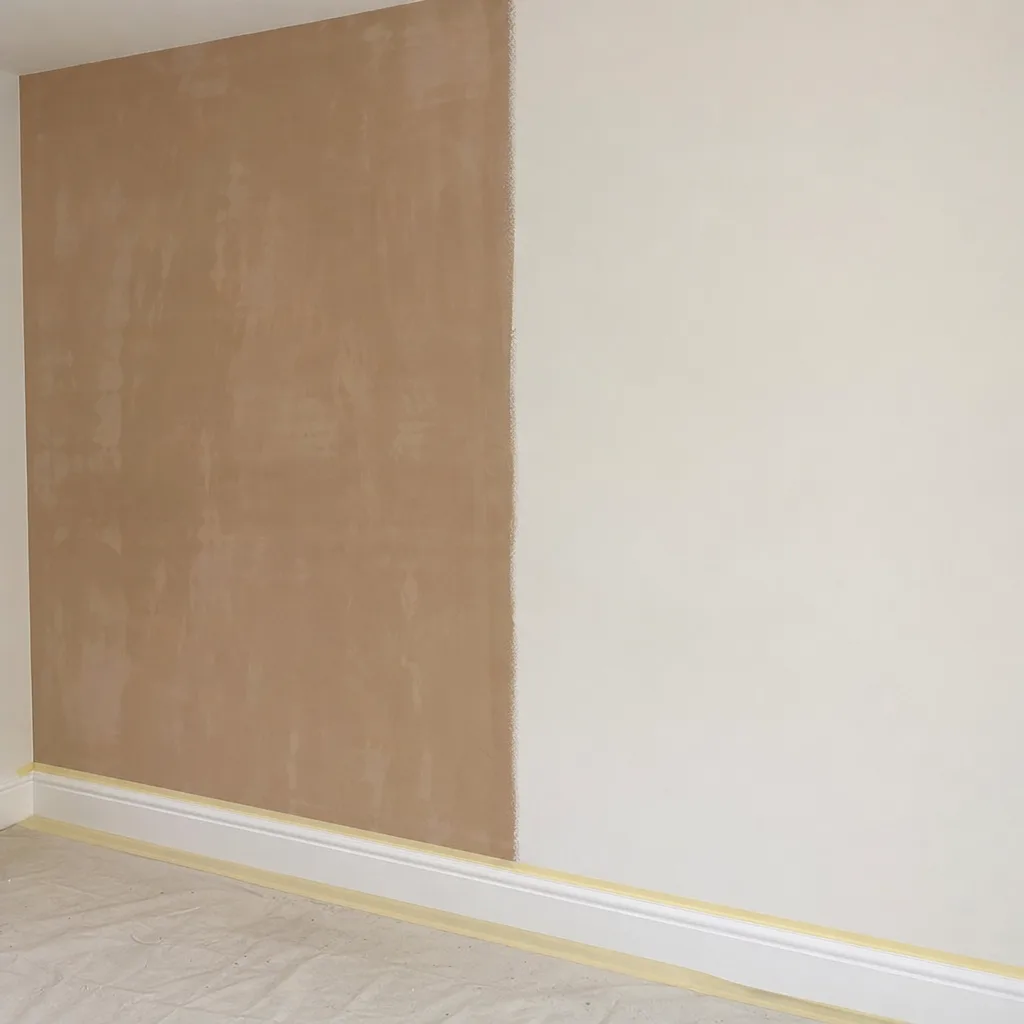
A decorating enquiry should describe the existing surface as well as the desired colour. Mention peeling paint, cracks, stains, old fixings and previous repairs, and provide close-up photographs. Ask which preparation stages are included before comparing prices.
Do not ask someone simply to paint over an unexplained problem. If there is recurring damp, movement or damaged plaster, request an assessment of the underlying issue before agreeing the decorative finish. Keep any specialist investigation separate from the painting quotation.
Painting and property improvements
For painting and property improvements, define the boundaries room by room. Specify whether you want walls, ceilings, doors, skirting boards and other woodwork included. Identify furniture or fittings that will remain in place and ask how they will be protected.
A small refresh and a complete room transformation need different scopes. If you want a local handyman decorator to combine painting with minor repairs, list both explicitly. Do not rely on a general phrase such as 'make the room good'.
General maintenance and repair work
For general maintenance and repair work, group your outstanding tasks into a clear list and ask which can be completed together. Keep essential repairs separate from optional improvements. This gives the trader a sensible basis for planning the visit without promising that everything will fit into one booking.
Agree how unfinished tasks will be handled if time runs short. A useful arrangement is to approve a priority order and require a progress update before additional chargeable time begins.
Work that needs a qualified specialist
Specialist plumbing, electrical and structural work should be assessed and undertaken by appropriately qualified professionals. Do not assume a general handyman has the necessary competence, equipment or authorisation. Building regulations approval may apply, and competent person schemes cover certain categories of work; requirements differ across the UK, so check the rules relevant to your property and project. (gov.uk)
Treat gas work separately: use a Gas Safe registered engineer whose registration covers the work required. HSE advises homeowners to use appropriately registered engineers for gas appliances, flues and pipework. A broad claim to provide household maintenance is not a substitute for the right registration. (hse.gov.uk)
For structural alterations or significant plumbing changes, ask the relevant specialist what investigation, design and approval are needed before commissioning work. A responsible handyperson should be comfortable defining where their service ends.
How Do I Find a Reliable Handyman Near Me?
To find a reliable handyman, build a shortlist from recommendations and appropriate trader directories, then check each person's experience against your actual jobs. Confirm who will attend, examine relevant previous work and request a written scope before agreeing the booking. Proximity is useful, but suitability and clear arrangements should guide the decision.
Start with recommendations you can investigate
Ask neighbours, friends or colleagues what work they had done, not just whether they liked the trader. A recommendation for assembling furniture tells you little about decorating a stairwell. Ask whether the agreed work was completed, how changes were handled and whether they would use the person for a similar job again.
For additional leads, check your council's website for approved trader information or Trading Standards signposting. Citizens Advice also suggests checking relevant trader schemes and verifying claimed membership directly with the scheme rather than relying on a logo. (citizensadvice.org.uk)
Make your searches match the task
Broad searches such as 'handymen near me' or 'handymen in my area' can help you build an initial list. Then narrow your enquiry by the work required: furniture assembly, internal door adjustment or decorating, for example. Include your town or postcode area so you can confirm coverage early.
If you are searching 'handyperson near me', apply the same checks. Focus on the actual service, relevant examples and booking arrangements rather than the job title used. Similarly, a search for 'DIY handyman near me' should lead to questions about professional competence, not an assumption that any enthusiastic DIYer is suitable.
When thinking 'I need to find a handyman near me', resist contacting every listing with the same vague message. Send a useful brief to a manageable shortlist instead. You will have clearer responses to compare and fewer conversations to untangle.
Look beyond keyword-heavy listings
Treat search wording as a starting point, not evidence of quality. A title packed with phrases, even a duplicated 'handyman handyman', does not tell you who will arrive or what they can do. Read the service description and ask specific questions.
For older people who need practical help, checking local support services may also be worthwhile. Some local Age UK organisations operate handyperson services, although availability, eligibility, tasks and charges vary. Confirm the local offer rather than assuming a national arrangement applies. (ageuk.org.uk)
Check Evidence That Matches Your Job
Before you hire a handyman, ask for evidence that relates to the work you are commissioning. A photograph of a completed wardrobe is useful for an assembly enquiry; it is less useful when you need careful preparation and painting. For larger decorating work, request examples showing details as well as the overall room.
Use this checklist to organise your questions:
Relevant experience: Have they completed comparable work on similar materials or fittings?
Recent examples: Can they explain what preparation and finishing their photographs show?
Business identity: Do you know the trading name, contact details and person responsible for the booking?
Insurance: Have they confirmed suitable cover for the proposed work?
Specialist boundaries: Can they identify tasks they would decline or refer elsewhere?
Follow-up arrangements: How should you report a problem after completion?
Citizens Advice recommends checking references, obtaining full trader details and checking appropriate insurance before agreeing home improvement work. For work where references would meaningfully inform your decision, ask about recent comparable projects and seek permission to contact the customers concerned. (citizensadvice.org.uk)
Read reviews with a specific purpose
Use reviews to identify questions rather than simply collecting reassurance. Look for comments about work similar to yours and note whether customers describe preparation, communication, tidiness and completion. Give more attention to useful detail than to an unexplained star rating.
Where reviews raise concerns, ask the trader about the issue without assuming either account tells the whole story. For example, a complaint about an unfinished job should prompt questions about scope, materials and return visits. If the response leaves you uncomfortable, continue your search.
Assess communication before booking
Pay attention to how the enquiry is handled. Does the person answer your questions, ask for missing information and explain what they cannot confirm remotely? These are the behaviours you should request throughout the job, not just during the sales conversation.
Be equally clear about your own expectations. If you need written messages rather than telephone calls, a particular arrival window or advance notice before purchases, say so. Reliable arrangements work best when both sides understand the same practical constraints.
Do not confuse confidence with clarity. Ask the trader to explain the proposed approach in ordinary language, including its limits. You should be able to describe what you are buying without having to guess.
Write a Brief That Makes Accurate Pricing Easier
Before requesting prices, turn your list of frustrations into a usable job brief. Start with the result you want, then describe the current condition and any restrictions. Avoid diagnosing faults you have not investigated: 'the door catches on the frame' is more useful than insisting a particular component needs replacing.
Include the following information where relevant:
Your location: Give a postcode area initially and confirm the full address when appropriate.
Each task: Separate repairs, assembly, installation and decorating into individual items.
Photographs: Provide an overall view and a close-up of the problem.
Product details: Include model names, dimensions and instructions for items being fitted.
Access: Mention stairs, lifts, parking restrictions and awkward entrances.
Materials: State what you already have and what you expect the trader to supply.
Timing: Explain genuine deadlines and how flexible you can be.
Priorities: Identify the tasks that matter most if not everything can be completed together.
A practical enquiry template
You could adapt this message:
Hello, I am looking for a handyman in my area to assemble a flat-pack bookcase, assess a sticking internal door and install two shelves. I can send photographs, product instructions and dimensions. Please confirm whether these jobs suit your service, whether you need to inspect anything first, how you would price the work and what materials or access information you need from me.
Add any important detail that changes the task. If a shelf is intended for heavy books, say so. If you cannot move furniture or carry packages upstairs, ask whether that help can be included rather than leaving it until arrival.
Separate essentials from optional extras
Label your list 'essential', 'preferred' and 'only if time allows'. This helps you discuss trade-offs without repeatedly rewriting the entire booking. It also gives you a sensible way to respond if an assessment reveals a more involved repair.
Do not quietly add extra jobs after accepting a price. Send additions in writing and ask whether they change the cost or appointment length. Apply the same discipline if you remove work: confirm the revised scope and price rather than assuming an automatic adjustment.
Keep one current version of the brief. If decisions are scattered across messages, summarise the final agreement before the appointment so neither side works from outdated information.
What Should a Handyman Quotation Include?
A handyman quotation should identify the agreed work, materials, price, exclusions, payment arrangements and any conditions that could change the cost. It should also make clear whether you are receiving a fixed quotation or an estimate. Citizens Advice distinguishes a quote, which sets an agreed price for defined work, from an estimate, which is an approximate prediction. (citizensadvice.org.uk)
Do not compare totals until you have compared the scope. One proposal might cover assembly only, while another also includes positioning, agreed wall restraints and packaging removal. Ask each trader to clarify omissions so you can make a meaningful decision.
Make the charging arrangement explicit
If the work is offered at an hourly or daily rate, ask for an expected duration and an agreed point for reviewing progress. Clarify what counts as chargeable time, including shopping for materials or collecting parts. If there is a minimum booking charge, establish what it covers before accepting.
For a fixed-price proposal, ask exactly which tasks and materials it includes. Record assumptions that matter, such as suitable access or an item arriving complete. Agree how unexpected conditions will be reported and priced before additional work proceeds.
Use a comparison like this when reviewing responses:
Item Detail to confirm Labour Fixed price, estimated time or rate-based charging Materials Who buys them, what is included and how substitutions are approved Preparation Protection, filling, sanding or removal of existing fittings Finishing Painting, making good and final adjustments Access costs Any agreed parking, travel or collection charges Waste Packaging, old fittings and debris removal Tax Whether the stated total includes any applicable VAT Changes How additional cost and time will be authorised Payment Deposit, balance, timing and payment method
Discuss payments without pressure
Ask what payment is required before work begins and what it is intended to cover. If materials must be purchased, request a clear description and record of the arrangement. For staged work, tie payment discussions to identifiable stages rather than an unexplained demand.
Keep the payment terms with the accepted scope. Do not rely on a conversation you may remember differently later. If the arrangements make you uneasy, pause before committing and seek independent consumer advice where needed.
Agree practical arrangements alongside the price
A price alone does not organise a visit. Confirm the arrival window, expected working period, access arrangements and contact method if either side is delayed. For decorating, ask whether the work involves more than one visit and when you can use the room again.
Also establish who will attend. If someone other than the person who assessed the job will carry it out, ask how the agreed details will be passed on. You should not have to reconstruct the whole brief at the door.
Before accepting, read the exclusions carefully. If an excluded task is necessary to achieve your intended result, resolve it now rather than treating it as a minor administrative detail.
Choose Decorating Help for the Finish You Want
If your search is 'handyman decorator near me', decide whether you need a small refresh alongside repairs or a more substantial decorating project. Describe the finish you expect and ask for comparable examples. Do not assume a broad maintenance service includes extensive surface restoration, specialist finishes or every type of wallpapering.
For a room refresh, specify all surfaces individually. 'Paint the bedroom' leaves too much open to interpretation. Record whether the ceiling, walls, skirting boards, window reveals, door and frame are included, together with any areas that will remain untouched.
Put preparation into the scope
Ask the decorator to describe the preparation they propose for the existing surface. Your written agreement should identify repairs, protection and finishing work rather than mentioning only the paint colour. Where stains, loose surfaces or previous damage need assessment, make that clear before accepting a cosmetic solution.
Discuss the actual paint product and finish, not just the brand or colour name. Ask who will purchase it and how any additional materials will be approved. If you supply paint yourself, confirm that the trader considers it suitable for the agreed work before buying everything.
For patch repairs, agree how visible differences will be handled. Ask whether the quotation covers a local touch-up or a larger surface, and what appearance you should reasonably expect. Avoid leaving the meaning of 'finished' until the room has been cleared away.
Give location-specific searches useful context
A search for 'handyman painter London' should be followed by details about the property, not just a request for availability. Mention the borough or postcode area, access arrangements, floor level and any building management restrictions. Ask the trader to identify any associated costs in the quotation.
Where the property is occupied, explain how you use the room and what must remain accessible. Agree where furniture can go, how possessions will be protected and whether work needs to proceed in stages. These decisions belong in the planning conversation, not in a rushed discussion after painting starts.

Organise Small Jobs Into a Sensible Visit
If you are searching 'handyman near me small jobs', begin with a complete list rather than booking the first task and remembering the others later. Ask which jobs can sensibly share a visit and whether they require different tools, materials or people. Keep the priority order visible so optional work does not displace something important.
For an 'odd jobs handyman near me' enquiry, a grouped list could look like this:
Hallway: Assess a catching internal door and fit an agreed coat rack.
Bedroom: Assemble a bookcase and discuss any required restraint.
Living room: Install shelves in positions agreed before drilling.
Kitchen: Assess cupboard doors and replace compatible handles if needed.
Finishing: Complete specifically identified making-good work and remove agreed waste.
Use this as an organisational example, not a promise that every item suits the same provider. Ask the trader to separate straightforward tasks from those requiring inspection or another specialist. Then decide which work to commission together.
Allow room for assessment
Do not assume a short description means a short repair. Ask how the visit will proceed if the first inspection reveals damaged material, missing parts or a different fault. Agree whether the trader should stop, complete other tasks or discuss a revised proposal.
If you are working to a firm budget, state that before the booking. Ask for approval to be sought before spending beyond the agreed amount, and identify which optional tasks should be dropped first. This gives both sides a practical decision-making framework.
For recurring maintenance, retain a simple record of completed repairs, products fitted and unresolved issues. When you need handyman service again, that record can support a clearer enquiry without relying on memory or scattered photographs.
Prepare Your Home Without Taking Unnecessary Risks
Once you have chosen a local handyman, prepare the agreed work areas rather than attempting unfamiliar preliminary repairs. Clear small belongings, make products and instructions accessible, and identify anything that must not be moved. Ask for help with heavy furniture instead of risking injury to save appointment time.
Use this preparation checklist:
Confirm the date, arrival window and best contact number.
Check that supplied products and parts have arrived.
Clear a safe route to each work area.
Arrange for children and pets to stay away from the work.
Make parking or building access arrangements where necessary.
Point out fragile finishes, concealed access panels and known property issues.
Keep the accepted brief and quotation available.
Flag older materials and known hazards
Tell the trader about known or suspected asbestos before work starts. HSE notes that asbestos may be present in buildings constructed or refurbished before 2000, and that maintenance activities can disturb it. Do not drill, sand or strip a suspect material as preparation; obtain appropriate advice and assessment first. (hse.gov.uk)
Likewise, mention known leaks, unstable fittings or previous electrical problems without attempting to investigate them yourself. Ask the appropriate specialist to assess concerns outside the agreed handyman service. A delayed start is preferable to pressing ahead with an unresolved safety question.
If you rent or occupy a leasehold property, check the permissions relevant to your proposed work before authorising changes. Ask your landlord, managing agent or other responsible party where necessary, and keep their response with your booking documents.
Keep Decisions Clear While Work Is Under Way
At the start of the visit, walk through the agreed tasks and confirm their order. Show the trader the relevant products, photographs and instructions, then resolve any remaining placement decisions. For shelves, rails and visible fittings, approve the proposed positions before installation begins.
Give the person reasonable space to work, while remaining available for decisions. If you will be away, agree how they should contact you and what should happen if you cannot respond. Do not leave them to guess about extra spending or irreversible changes.
Record changes as they arise
If additional work is proposed, ask for the reason, revised price and effect on timing. Confirm your decision in writing before the extra work proceeds. A brief message can keep the record clear without turning an ordinary conversation into an argument.
Where an unexpected problem prevents completion, ask what has been found and what remains safe to use. Request photographs if the issue will be concealed again. Agree who will arrange any specialist visit and whether the remaining handyman work should wait.
Avoid expanding the scope through casual requests. 'While you are here' is still additional work if it was not included in the booking. Ask whether it can be added, what it costs and whether it affects the tasks you originally prioritised.
Before the trader leaves, establish whether everything is complete or whether a return visit is required. If there is outstanding work, list it clearly with the next action and person responsible. Do not let an unfinished item disappear into a vague promise to be in touch.
Check the Result Against the Agreed Scope
Allow time for a handover rather than assessing everything after the trader has left. Walk through the original list together and ask them to demonstrate completed adjustments or installations. Inspect the work without pulling, loading or testing anything beyond the instructions provided.
For each task, ask yourself:
Does the result match the agreed position, function and appearance?
Have all included preparation and finishing stages been completed?
Are any parts, surfaces or adjoining areas damaged?
Have packaging and debris been dealt with as agreed?
Do you understand any restrictions on immediate use?
Have you received instructions, spare fittings and relevant paperwork?
For decorating, inspect the agreed surfaces in ordinary room lighting and discuss visible concerns calmly. For assembled furniture, ask about adjustment, care and manufacturer instructions. For repaired doors or handles, check normal operation together.
Keep a useful completion record
Retain the quotation, agreed changes, invoice and relevant photographs. Note any product names or replacement parts that could help with future maintenance. If specialist work formed a separate part of the project, keep its documentation separately identifiable.
Ask how to contact the business if something becomes apparent later. If any guarantee or follow-up service has been offered, request its terms in writing, including exclusions. Do not assume that an informal assurance has a particular duration or scope.
Only describe the job as complete when you have clarified any outstanding items. Where something still needs attention, record what remains and the proposed next step without exaggerating or minimising the issue.
Deal With Problems Promptly and Factually
If you notice a problem, contact the trader with a concise explanation, photographs and the relevant part of your agreement. Distinguish between unfinished work, an apparent defect and a new request. Ask for their response and proposed next step rather than immediately assuming the cause.
Citizens Advice recommends raising problems with the trader and seeking a written agreement about putting them right. Your options can depend on what was agreed and what went wrong, so obtain advice relevant to your circumstances if the issue is not resolved. Its guidance on problems with home improvements explains routes available to consumers in England. (citizensadvice.org.uk)
Keep a dated record of conversations, visits and proposed remedies. If you speak by telephone, send a short written summary afterwards and invite corrections. Avoid making further changes to disputed work before documenting its condition, unless immediate action is necessary for safety.
For an apparent safety issue, stop using the affected item or area and seek appropriate professional advice. Do not ask an unqualified person to provide reassurance about specialist electrical, gas or structural concerns. Prioritise making the situation safe over deciding who is responsible.
If you need further help elsewhere in the UK, use the consumer advice service appropriate to your nation. Keep your paperwork together so you can explain the facts clearly.
Choose the Right Fit, Not Just the Nearest Listing
When comparing handyman services UK homeowners can use, focus on the match between the person and the work. Relevant experience, a clear written scope, transparent pricing and dependable arrangements matter more than a broad claim to do everything. The best choice for furniture assembly may not be the right choice for extensive decorating or specialist repairs.
Start with a prioritised list, gather useful photographs and contact a shortlist with the same brief. Compare the responses, clarify exclusions and agree how changes will be handled. That preparation gives your chosen handyperson a clearer job to deliver—and gives you a practical basis for recognising work done well.
Lucy & Phil Property Solutions
Professional facilities management, commercial cleaning, property maintenance, and construction support across the UK.