
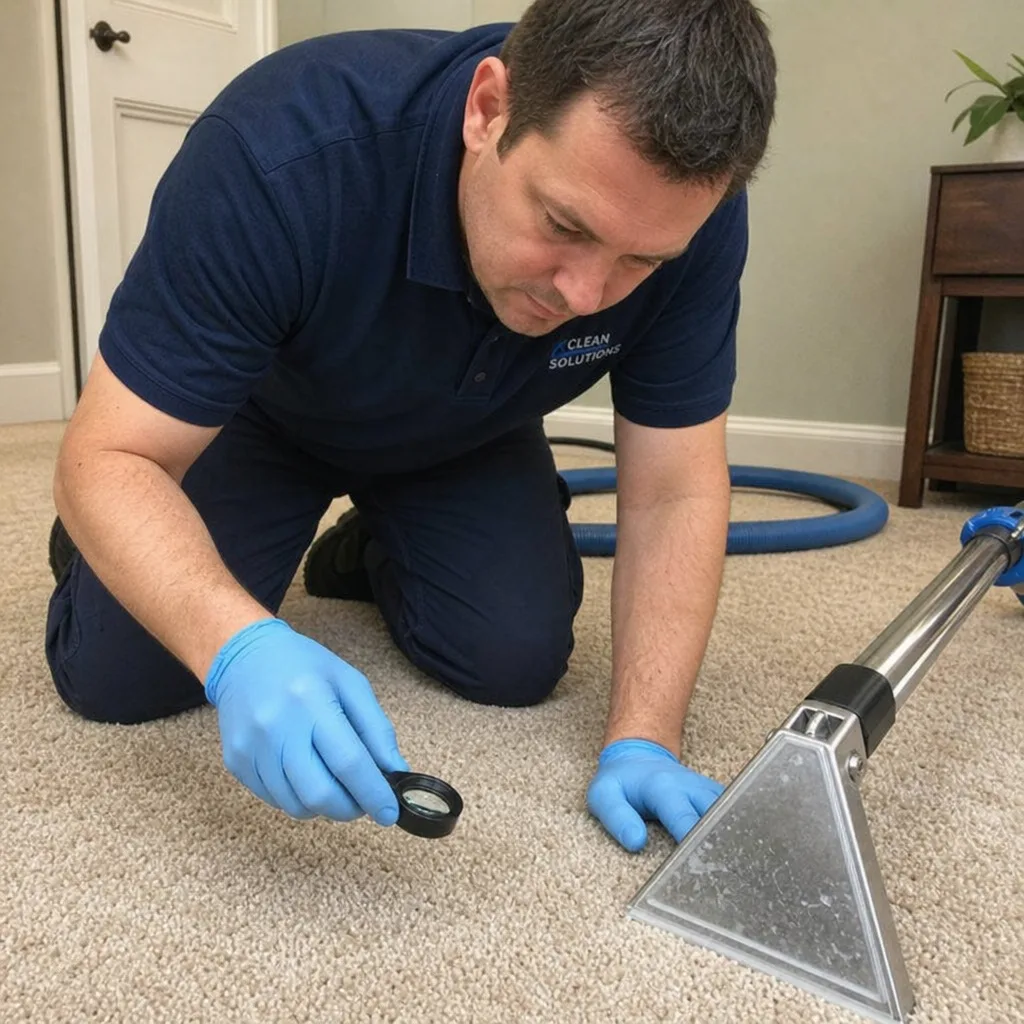
Finding the Best Carpet Cleaner Nearby
Searching for carpet cleaning companies near me is a useful starting point, but choosing well means looking beyond distance and the headline price. The right provider should explain how your carpets, rugs or upholstery will be assessed, what the quotation includes and what results are realistic. This guide helps homeowners, tenants, landlords and business operators compare services confidently, understand costs and prepare for a successful visit. It also clarifies an important distinction for customers considering Lucy And Phil Limited: professional cleaning is a service, not carpet shampooer hire.
How do I compare carpet cleaning companies near me?
Compare carpet cleaning companies by their relevant training, assessment process, written scope and willingness to explain limitations—not simply by their position in search results. Ask each shortlisted provider to quote for the same rooms, materials and concerns, then check what preparation, treatment and aftercare are included. The National Carpet Cleaners Association recommends asking about training, membership and insurance, alongside expecting an assessment and an honest explanation of achievable results. (ncca.co.uk)
Start with the job you need done. Refreshing a bedroom carpet before guests arrive calls for a different conversation from cleaning a furnished rental property or maintaining an office reception. Give the cleaner enough information to make a considered recommendation rather than asking only for their lowest price.
Check evidence that relates to your materials
Ask what training the attending technician has completed and whether their experience covers your particular carpet, rug or fabric. If a company claims membership of a professional organisation, verify that claim through the organisation rather than relying solely on a logo. WoolSafe specifically advises customers with fine-fibre carpets and rugs to ask about relevant training, accreditation and professional memberships. (woolsafe.org)
Make your questions practical. A cleaner should be able to explain how they would approach an unidentified rug, an old stain or an upholstered chair without immediately promising a perfect result. You are looking for a clear decision-making process, not an impressive list of machine specifications.
For insurance, ask whether the proposed work and the items being treated fall within the provider's cover. Keep the response with your quotation, particularly when arranging work on behalf of a landlord, client or business. Do not treat a general statement that a company is insured as a substitute for clarification about your job.
Read reviews for useful detail
Use reviews to investigate the experience you want: communication, punctuality, care around furnishings and clarity over charges. Prioritise accounts that describe comparable work rather than relying entirely on a star rating. A detailed review about an occupied flat may be more helpful to a tenant than a brief endorsement of an unrelated service.
When comparing a search for a carpet cleaning business near me with broader directory results, establish who will actually carry out the work. Ask whether you are booking the named business, an independent contractor or a referral service. Also confirm who handles questions, payments and any concerns afterwards.
A useful shortlist should leave you able to answer four things:
Who is responsible for the appointment and the work?
What exactly will be cleaned, and what will remain untouched?
What could change the quotation or limit the result?
Who should you contact if something needs discussing afterwards?
If those answers remain vague, seek clarification before booking. Good communication should begin before anyone brings equipment through your front door.
Define the job before requesting quotations
Before contacting providers, prepare a simple inventory. List each carpeted room, staircase, landing, rug and upholstered item separately, with approximate dimensions where possible. Add photographs of the overall area and close-ups of any particular concern.
The Carpet and Rug Institute encourages customers to discuss pricing, measurements, pre-cleaning vacuuming and furniture moving before the appointment. These details help establish what is being purchased rather than leaving essential assumptions until the cleaner arrives. (carpet-rug.org)
Describe the outcome you want in plain language. Perhaps you need the main walking routes refreshed, a property ready for new occupants or an assessment of marks around a dining table. Avoid assuming that a request for a “deep clean” communicates all of those priorities.
Your initial enquiry should cover:
The property: postcode, floor level, lift access and whether it will be occupied.
The items: room dimensions, stair count, rug measurements and furniture descriptions.
The concerns: visible marks, odours, heavy-use areas and previous cleaning attempts.
The timing: preferred dates, access arrangements and the next planned use of the space.
The practicalities: parking, entry restrictions and any building-management requirements.
For a furnished home, distinguish exposed carpet from areas underneath furniture. Decide whether you want beds and large pieces left in place, or whether you need the cleaner to assess moving them. Ask what must be emptied or dismantled beforehand, and do not assume heavy furniture handling is included.
This same brief helps when comparing results for carpet cleaner companies near me. Instead of collecting several unrelated starting prices, you can request proposals for one clearly described job. Keep a copy so you can check the final booking against your original requirements.
A “carpet shampooer near me” search: DIY versus professional cleaning
Searching for a carpet shampooer near me usually means you are considering hiring or buying a machine to do the work yourself. Booking a professional means paying a provider to assess the materials, select an appropriate process and carry out the agreed cleaning. Lucy And Phil Limited does not rent or sell carpet shampooers.
The distinction matters because equipment access and cleaning expertise are separate considerations. If you choose DIY, you take responsibility for checking care instructions, selecting compatible products, operating the machine and arranging drying. With a professional service, ask how those decisions will be made and explained before work starts.
When DIY deserves consideration
Consider DIY only after checking that both the flooring manufacturer and the equipment instructions permit the proposed treatment. Think about whether you can move the necessary furniture, manage the equipment and keep the area out of use afterwards. Include collection, return, cleaning products and your own time when assessing the overall commitment.
For wool and wool-rich carpets, WoolSafe advises using appropriately approved carpet-care products rather than general household detergents. Its guidance warns that unsuitable household cleaners can create problems including residues, colour bleeding or damage. Follow the carpet and machine instructions rather than improvising a stronger mixture. (woolsafe.org)
Do not make a delicate or unidentified rug your trial project. If you cannot establish what it is made from or how it should be treated, seek an assessment before introducing moisture or cleaning chemicals. Uncertainty about the material is a reason to pause, not an invitation to experiment.
When professional assessment is the better starting point
Seek professional advice where there are valuable textiles, persistent marks, previous unsuccessful treatments or a tight property-handover schedule. Explain what has already been applied and what happened afterwards. That history gives the technician something more useful than a photograph alone.
For landlords and property managers, consider the administrative difference as well. A professional appointment can be specified, authorised and documented as a defined piece of work, provided you agree those requirements beforehand. Machine hire leaves the organisation and execution with you or whoever is operating it.
Neither route should be chosen on a blanket assumption that it will always be cheaper or produce a particular result. Compare the complete DIY commitment with a written professional proposal. The sensible choice is the one that suits the material, the condition and your ability to manage the process properly.
Understand the proposed cleaning method
Ask the cleaner to name the proposed method and explain why it suits your items. Terms such as shampooing, extraction, low-moisture cleaning and steam cleaning should lead to a practical explanation, not end the conversation. ISSA notes that different methods have different uses, with the soil load and the technician's skill important to the choice. (issa.com)
Hot-water extraction and steam-cleaning terminology
If a quotation advertises pro steam carpet cleaning, ask whether the proposed process is hot-water extraction. Have the provider explain what will be applied, how the loosened soil will be recovered and how drying will be managed. Kärcher describes spray extraction as applying cleaning solution to loosen dirt and then recovering the dirty solution through suction. (kaercher.com)
Do not choose solely on the promise of hotter water or more powerful equipment. Ask how the process matches your carpet's care requirements and condition. A useful explanation connects the method to your flooring rather than presenting one treatment as suitable for every textile.
Low-moisture methods and maintenance cleaning
Low-moisture options may form part of a maintenance programme rather than an identical substitute for every restorative treatment. ISSA describes encapsulation and other low-moisture systems among the available carpet-cleaning approaches, with selection depending on the circumstances. Ask what the proposed method is intended to achieve on this visit. (issa.com)
For an office, that conversation might distinguish regular appearance maintenance from a separately planned intensive clean. For a home, it might focus on the manufacturer's requirements or a particular material concern. Ask whether any follow-up vacuuming is required and who will carry it out.

A search for deep carpet cleaning near me should therefore lead to questions about the process. Confirm whether inspection, dry-soil removal, targeted treatment and finishing are included, where appropriate. Also ask what happens if the technician finds that the originally proposed method is unsuitable.
Keep expectations specific. “Improve the appearance of the main traffic route” is a clearer objective than “make it brand new”. Agree which concerns the cleaner will assess before you authorise additional treatment.
How much is professional carpet cleaning?
Professional carpet cleaning costs depend on the scope, materials, condition, location and work required, so a useful answer needs details of your property. Request an itemised quotation rather than applying an unrelated advertised price to your rooms. The NCCA explains that job variables can make an on-site survey necessary before a reliable quotation can be given. (ncca.co.uk)
If your first question is “how much is carpet cleaning?”, follow it with measurements and photographs. State whether the property is empty, which items need attention and whether there are access restrictions. Ask whether the response is a firm quotation, an estimate or an initial indication subject to inspection.
Read carpet cleaning rates in context
Treat carpet cleaning rates as a starting framework, not the complete specification. Ask how the area will be measured and whether stairs, landings or unusually shaped spaces are calculated separately. If a provider uses room-based pricing, clarify its room-size limits before comparing the figure with another quotation.
The same principle applies when reviewing carpet cleaning services prices online. A figure has little comparative value unless you know the area covered and the work included. Ask the provider to confirm the price for your actual inventory in writing.
Use this comparison checklist:
Quotation detail What to establish Cleaning area Exact rooms, stairs, landings and agreed furniture access Preparation Who vacuums, clears small items and moves permitted furniture Treatments What is included and what needs separate approval Access Any charges associated with the agreed access arrangements Taxes and totals Whether the stated total includes applicable VAT Changes How additional work will be priced and authorised Follow-up How concerns about the completed work should be raised
Separate necessary work from optional extras
When asking how much a carpet cleaning service is, distinguish the agreed clean from optional treatments. Ask what each proposed addition does, why it is being suggested and whether it is necessary for your objective. You should be able to accept or decline optional work knowingly.
Do not approve an unspecified allowance for “anything needed”. Instead, request a call or message before extra charges are incurred. This is particularly important when the person paying is not present, as with a managing agent or an overseas landlord.
For a carpet cleaning cost near me enquiry, include your full postcode and access details. Ask the company to identify any relevant charges rather than assuming that the online price applies unchanged. Keep the agreed total and its conditions with your booking confirmation.
Judge carpet cleaning deals by the complete offer
Carpet cleaning deals are worth considering when the included work matches your needs. Read the conditions, room limits and exclusions before treating a package as a saving. Compare it with a quotation for the same items, not with a larger or differently specified service.
If you want inexpensive carpet cleaning, set a budget and ask the provider to prioritise within it. You might request separate prices for essential rooms and less urgent areas, or ask whether combining suitable items changes the proposal. Do not assume a discount is available, but make your priorities clear.
The aim is controlled spending rather than the smallest initial number. A quotation that clearly identifies the work gives you a firmer basis for a decision than a low figure surrounded by unresolved questions. Choose the proposal you understand, can afford and are comfortable authorising.
Give rugs a separate assessment
Do not automatically include a rug within the same treatment plan as fitted carpet. The Carpet and Rug Institute advises following the manufacturer's care specifications and seeking professional care for heirloom-type rugs. It also notes that a dry cleaner may be appropriate where the label requires dry cleaning, but recommends checking first because not all dry cleaners accept rugs. (carpet-rug.org)
When searching for rug cleaning near me, provide photographs of the front, reverse, label and fringe. Include measurements and describe any known history, previous treatment or particular concern. If the fibre or construction is unknown, say so rather than guessing.
Match the service to the individual rug
An area rug cleaning near me search should lead to an assessment of that rug, not just a rate based on its floor area. Ask whether the proposed work will take place in your property or elsewhere. If collection is offered, establish who will transport the rug and who will actually clean it.
For blended textiles, identify every fibre listed on the label. WoolSafe advises treating a blend according to its most sensitive component, and identifies materials such as viscose, sisal and seagrass as moisture-sensitive. That is a reason to request material-specific advice before agreeing to a method. (woolsafe.org)
If you are comparing rug cleaners near me, ask each provider the same questions about inspection, treatment and return arrangements. Discuss fringes, worn areas and existing colour differences before the rug leaves your possession. Take photographs and retain the collection record where applicable.
Clarify scope and professional rug cleaning cost
Request a professional rug cleaning cost for the identified item and proposed process. Ask whether the quotation includes any agreed collection, delivery, fringe work or additional treatment. If the provider needs to inspect the rug first, establish when the final price will be confirmed.
A search for dry cleaners near me that clean rugs is a sensible route when it follows the care label, but confirm the actual service. Ask whether the business carries out the work or passes it to a specialist, and who handles questions afterwards. Make sure the agreed process follows the rug's requirements.
For deep cleaning rugs, define the objective: general soil removal, attention to a specific mark or an assessment of an odour. Ask the cleaner to distinguish the expected improvement from anything they cannot promise. A clear limitation is more useful than an unsupported guarantee.
Choose upholstery expertise for sofas and chairs
If you are searching for a sofa cleaning company near me, describe the furniture separately from the carpets. Include the number of seats, cushion arrangement, fabric label and photographs of the whole item. Ask whether the quoted work includes the arms, backs, cushions and other accessible upholstered surfaces.
Upholstery needs material-specific care. The IICRC warns that natural-fibre fabrics and blends can experience problems including colour loss, texture change or shrinkage if handled without appropriate expertise. Ask how the provider will identify the material, test where necessary and select a suitable treatment. (iicrc.org)
For a sofa cleaning near me enquiry, mention previous spot-cleaning products and any area that looks different from the surrounding fabric. Explain whether the concern is an individual spill or general appearance. Do not conceal an unsuccessful home treatment because you are worried it will complicate the conversation.
A useful upholstery quotation should identify:
The individual items and surfaces included.
Any inspection or testing required before treatment.
Areas that will not be accessible or treated.
The proposed approach to cushions and removable covers.
Expected use restrictions and aftercare instructions.
Any limitations discussed before work begins.
When comparing upholstery cleaners London searches, place relevant fabric experience ahead of broad promises about cleaning every type of furniture. Ask for a proposal that recognises the item in front of them. A delicate occasional chair deserves its own assessment, even if a hard-wearing family sofa is being cleaned during the same visit.
Likewise, a furniture cleaner near me result may describe several different services. Confirm whether the provider handles your textile, leather or other finish before booking. Do not assume that a carpet-cleaning appointment automatically includes every furnished item in the room.

Search locally across North and South London
Use location terms to narrow your shortlist, then confirm coverage using the full postcode. Whether you need carpet cleaning South London or upholstery care in the north of the city, give the company a clear account of access. State the floor level, lift arrangements and any restrictions relevant to bringing equipment inside.
For carpet cleaning services South London enquiries, add the property type and the areas to be cleaned. A brief such as “occupied flat, two bedrooms, hallway and stairs” gives the provider a starting point. Measurements, photographs and your preferred dates make the enquiry more useful still.
If you need upholstery cleaning North London, include the furniture details rather than sending only your address. Ask whether the provider can assess the fabric from photographs or needs an inspection. Keep the location and the technical requirements together throughout the booking conversation.
For rug cleaning South London, first establish whether you want an on-site assessment or are open to collection. Then ask about the arrangements available for your postcode and rug. Do not infer a collection service from a general statement that a company covers London.
Similarly, when comparing a rug cleaning service London search, check both the service area and the practical process. Confirm whether the appointment is for inspection, collection or cleaning, so you know what to prepare. Ask who will contact you if the assessment changes the proposed work.
Before committing, check:
Who arranges parking or building access, where needed.
Whether the team needs advance entry instructions.
What happens if a lift is unavailable.
Whether another contractor will be working in the same space.
Who can authorise changes during the appointment.
These are booking questions, not minor details to leave until arrival. Agreeing them early gives everyone a clearer plan and helps you compare providers on the complete job.
Plan around the people who use the property
A useful cleaning plan must fit the way the space is occupied. Explain who needs access, which rooms are essential and whether a handover or reopening follows the visit. Ask the provider to build those constraints into the proposal rather than assuming that any available appointment will work.
Homeowners and occupied households
Tell the cleaner which rooms you can temporarily stop using and where essential furniture must remain. If the household includes children or pets, ask for instructions about keeping them away during the work and until the treated areas are ready. Request product information if you need it, rather than relying on vague assurances.
Choose a date that leaves room for the provider's advised drying and aftercare. Avoid organising the appointment around a promise that every item will be ready at a fixed hour before assessment. Have an alternative plan for seating and movement through the home.
Tenants, landlords and new occupants
For tenants, agree the required scope with the relevant decision-maker before booking. Identify the rooms and items, the completion date and any documentation being requested. Keep the quotation, authorisation and payment record together rather than relying on a verbal description.
Landlords preparing a property for new occupants should coordinate the cleaning with removals, maintenance and final inspection. Ask each contractor what needs to happen first and allow for the cleaning provider's aftercare instructions. Do not schedule a new occupant's arrival against an unconfirmed drying assumption.
Where several people are involved, name one contact who can approve changes. Give that person photographs and the written scope in advance. This avoids asking the technician to resolve disagreements about what another party intended to book.
Property managers and letting agents
Create a consistent brief for each managed property, but retain item-specific notes. Include key collection, access permissions, the approved budget and the required invoice details. Ask the provider what evidence of completion they can supply before making it part of your reporting process.
For several properties, request separate scope and pricing records for each address. Keep optional work distinct from the authorised clean. That approach makes it easier to explain decisions to owners and check that the invoice matches the instruction.
Businesses and commercial property operators
For corporate carpet cleaning, begin with how the premises operate. Identify public areas, staff-only rooms, secure spaces and the routes that must remain available. Ask the contractor to propose a sequence compatible with your access and reopening requirements.
Discuss site induction, security arrangements and any documents your organisation requires before work starts. Agree who will move equipment or office contents and who will inspect the finished areas. For ongoing maintenance, ask for a plan that distinguishes routine visits from separately authorised work.
What should happen before, during and after the visit?
Before the visit, confirm the scope and prepare the agreed access; during it, review the assessment before treatment begins; afterwards, follow the item-specific drying and care instructions. Any change to the method, price or expected result should be discussed before you authorise it. Treat the appointment as an agreed process, not simply a time slot.
Before arrival
Use the booking confirmation to make a preparation list. Ask whether you should vacuum, which small items to remove and what furniture must remain untouched. Set aside photographs, care labels or previous cleaning records that may help the assessment.
Work through these steps:
Check the booking: verify the address, contact number, date and arrival arrangements.
Clear agreed areas: remove loose belongings and valuables without attempting unsafe lifting.
Arrange entry: confirm keys, reception instructions or building permissions.
Prepare information: identify stains and list products previously applied.
Confirm authority: make sure someone can approve or decline additional work.
Plan subsequent use: leave space in your schedule for the advised drying and inspection.
During the assessment
Walk through the agreed areas with the technician where possible. Point out your priorities and ask them to record existing concerns or limitations. Confirm the final scope and price before work proceeds, especially if the initial quotation depended on inspection.
If you are arranging the work remotely, agree how the technician will contact you. State what they may do within the approved instruction and what requires further permission. Do not leave them guessing whether an absent owner would accept an additional treatment.
After completion
Ask for a clear handover covering what was treated, any concerns that remain and the next steps. Request the provider's instructions for ventilation, furniture replacement and resuming normal use. Kärcher advises allowing cleaned carpet to dry and avoiding furniture replacement while moisture remains, to prevent associated marking or damage. (kaercher.com)
Keep the completion record and contact the provider promptly if you need clarification. Describe the issue precisely and provide photographs where useful. Follow the agreed process rather than applying another product before the cleaner has had a chance to advise.
Keep a simple maintenance record
After the appointment, note the date, the items treated and the care advice provided. Save the quotation and invoice alongside photographs or relevant labels. For a managed property, make the record accessible to whoever will organise the next visit.
Use the manufacturer's instructions as the basis for routine care. The Carpet and Rug Institute recommends regular, thorough vacuuming and prompt attention to spills, with blotting rather than scrubbing. Follow material-specific advice before applying any cleaning product. (carpet-rug.org)
Do not choose the next appointment solely by copying a neighbour's schedule. Ask the provider how use, visible condition and the manufacturer's requirements should inform your plan. Review heavily used areas separately from rooms that see little activity.
For workplaces, assign responsibility for reporting spills and arranging approved follow-up. For rental properties, pass on relevant care instructions when responsibility changes. A short, usable record is more valuable than detailed advice that nobody can find.
Choose clarity, not just proximity
The best response to a search for carpet cleaning companies near me is a provider who understands the items, explains the proposed work and gives you a clear basis for authorising it. Compare like-for-like quotations, ask about limitations and plan the appointment around the property's occupants.
When enquiring with Lucy And Phil Limited, send your postcode, photographs, measurements and preferred dates, then ask for confirmation of availability and scope. Remember that the company does not rent or sell carpet shampooers. A well-prepared enquiry is the strongest starting point for a considered decision.
Lucy & Phil Property Solutions
Professional facilities management, commercial cleaning, property maintenance, and construction support across the UK.